A quick note before we start: this is our take as bookkeepers, not tax advice. Every business is a little different, so please talk through your own situation with your CPA. Don’t have one yet? Reach out and we’ll introduce you to one of the CPAs we love working with.
The short answer
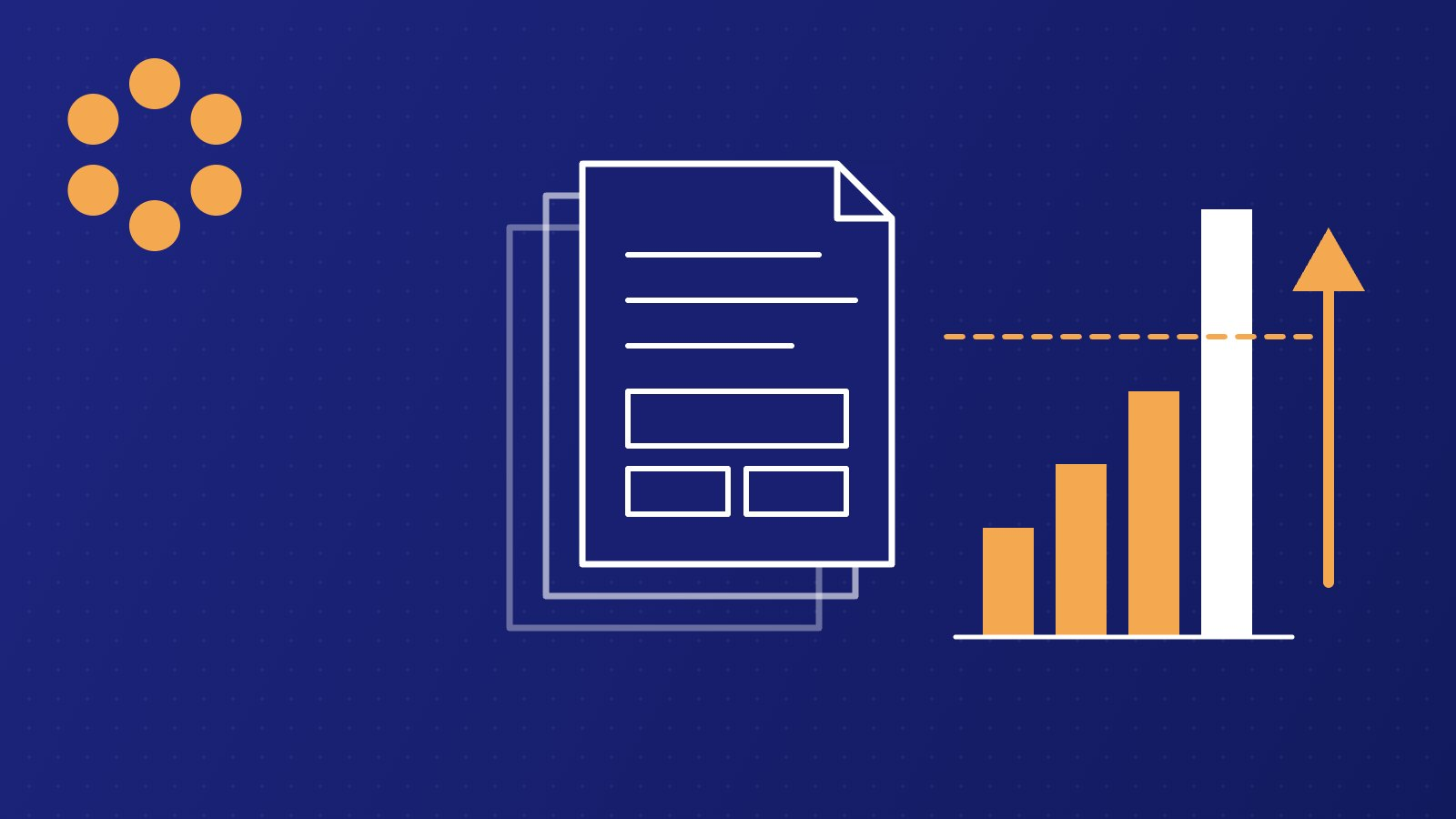
For payments you make in 2026, you generally only need to send a contractor a Form 1099-NEC once you’ve paid them $2,000 or more for the year, up from $600. Those forms are due in early 2027. January 31 falls on a Sunday that year, so the deadline moves to Monday, February 1. The income is still taxable to the contractor either way, and you still need a W-9 and clean records for everyone you pay.
For decades, the magic number for contractor 1099s was $600. It hadn’t moved since the 1950s, which meant a lot of small businesses spent January chasing W-9s for a $650 logo tweak or a one-time repair. That number has finally changed, and it changes how your January will look.
Here’s what’s different, what isn’t, and what I’d do between now and the end of the year so the 1099 season is quiet instead of chaotic.
What changed for 1099s in 2026?
The 2025 federal tax law raised the reporting threshold for Forms 1099-NEC and most 1099-MISC payments from $600 to $2,000. The IRS instructions say the new minimum applies for tax years beginning after 2025, so it covers payments you make during calendar year 2026, and it may be adjusted for inflation starting in 2027.
In plain English: if you paid a contractor $1,500 in 2026, you generally don’t need to send them a 1099-NEC in January. If you paid them $2,000 or more, you do.
What stayed the same?
A few things didn’t move, and they trip people up:
- Royalties are still reported once they reach $10.
- Gross proceeds paid to an attorney (for example, a settlement paid through a lawyer) still use the $600 threshold on Form 1099-MISC.
- Backup withholding. If you withheld federal income tax from someone under backup withholding rules, you still file a 1099 for them regardless of the amount.
- The deadline. Form 1099-NEC still goes to the contractor and to the IRS by January 31, or the next business day when it falls on a weekend.
- The income is still income. A contractor who doesn’t get a 1099 still has to report what they earned. The threshold changes your paperwork, not their tax bill.
How does this compare at a glance?
| Payment type | Paid in 2025 | Paid in 2026 |
|---|---|---|
| Contractor and freelancer fees (1099-NEC) | $600 or more | $2,000 or more |
| Rents and most other 1099-MISC payments | $600 or more | $2,000 or more |
| Royalties (1099-MISC) | $10 or more | $10 or more |
| Gross proceeds paid to an attorney (1099-MISC) | $600 or more | $600 or more |
| Payment apps and marketplaces (1099-K, sent by the platform) | Over $20,000 and over 200 transactions | Over $20,000 and over 200 transactions |
Do I still need a W-9 from every contractor?
Yes, and I’d keep it that way. You don’t always know at the start of a project whether someone will cross $2,000 by December. A small job in March can turn into a bigger one by fall, and chasing a W-9 in late January is the most stressful part of 1099 season.
Our rule of thumb: no W-9, no first payment. It takes the guesswork out of it, and it protects you if a contractor’s total ends up higher than you expected.
What about contractors I pay through Venmo, PayPal or a card?
Payments you make with a credit card or through a payment app are generally reported by the platform on Form 1099-K, not by you on a 1099-NEC. The 1099-K threshold went back to more than $20,000 and more than 200 transactions. This is one of those areas where how you paid matters, so it’s worth tagging payment methods in your books and confirming the details with your CPA.
What should I do before December 31?
- Run a vendor report for the year. In QuickBooks Online, pull payments by vendor and sort by total. Anyone near or over $2,000 goes on your watch list.
- Check that every contractor is set up correctly. Mark 1099 vendors as eligible, confirm their legal name and tax ID match their W-9, and map their payments to the right box.
- Separate card and app payments. Make sure payments made by credit card or through a payment app are categorized so they don’t get double reported.
- Collect missing W-9s now. December is much easier than the last week of January.
- Look at the borderline cases. Someone you paid $1,950 in 2026 may not need a 1099, but that doesn’t change how you track them. Keep the records either way.
- Don’t forget your state. Some states have their own information return rules. Ask your CPA what applies where you do business.
Is this a reason to change how I pay people?
No. The threshold is about paperwork, not about who counts as a contractor. Whether someone is a contractor or an employee still depends on how the work is actually done, and the IRS has clear guidance on that. If you’re not sure about a particular person, that’s a great question for your CPA before the year closes.
The bottom line
Fewer 1099s is good news for most small businesses, but it doesn’t mean less recordkeeping. Keep collecting W-9s, keep your vendor list clean, and review your totals before the year ends. If your books are organized, January becomes a 20 minute task instead of a scramble.
If you’d like help getting your vendor records and 1099s in order, we do this every year as part of our monthly bookkeeping, and it’s on our year end checklist for your CPA too. You can also request a Financial Clarity Call, and we’ll be in touch by email shortly.
One more reminder: this article shares our opinion as bookkeepers. It isn’t tax advice, and the rules can apply differently depending on your business. Please review your situation with your CPA. If you need a referral to a great one, contact us. We have a few we love working with.
Sources and further reading
- IRS: Instructions for Forms 1099-MISC and 1099-NEC
- IRS: About Form W-9
- IRS: Understanding your Form 1099-K
- IRS: Independent contractor (self-employed) or employee?
- IRS: Recordkeeping for small businesses
These are general resources, not tax or legal advice. Your CPA can tell you how the rules apply to your business.

Founder of Six Points Bookkeeping in Scottsdale, Arizona. A business owner with over 25 years of experience who keeps the books for growing businesses and turns them into answers. More about Rachel